
BC Game bet is popular because it blends quick gameplay, a straightforward wagering flow, and a wide mix of match types. If you want to place bets without jumping through endless screens, the experience usually feels efficient. Still, popularity alone doesn’t tell you what to watch, so it helps to know how people actually use it.
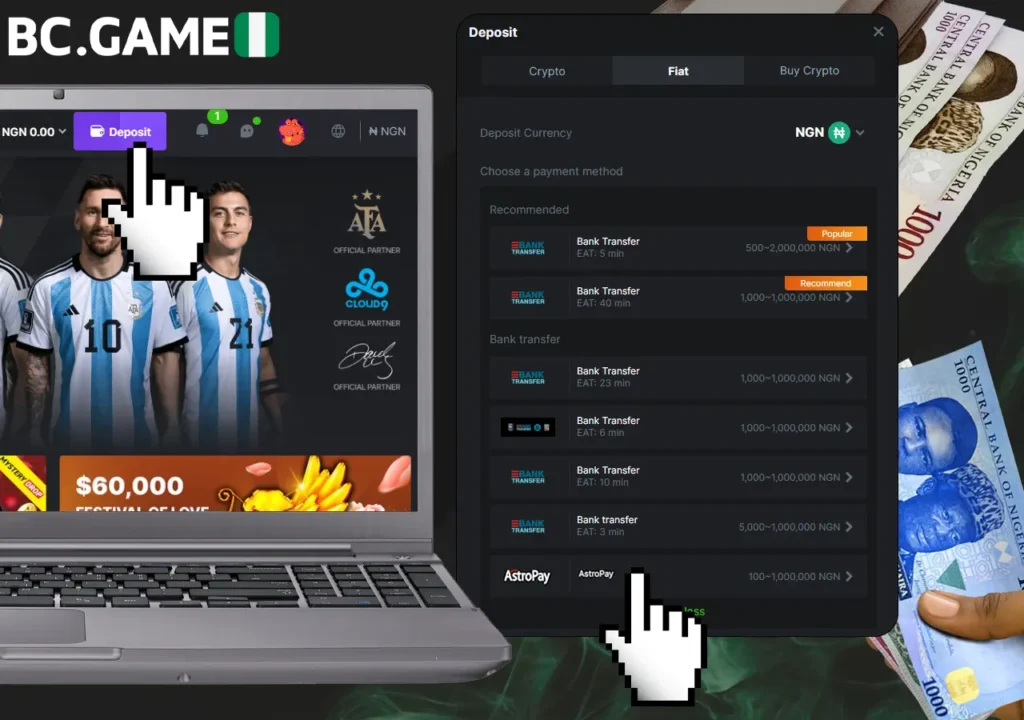
Many players start with a small stake, test how fast deposits reflect, and then decide whether they like the odds layout and payout timing. If you’re comparing options, you may already be considering bcgamebet for its familiar betting rhythm and easy-to-follow steps.
What Players Like About the BC Game Bet Experience
In practice, the biggest driver is usability. The interface is typically designed so you can pick a game type, choose an amount, and confirm without getting lost in menus. That matters when you’re betting on short sessions rather than planning your whole day around one match.
Speed from selection to confirmation
Most bettors care about how quickly they can go from “I want action” to “the bet is placed.” For example, if you’re on a lunch break and want to run 3–5 single bets, you don’t want extra steps that slow you down. Notably, a fast flow reduces the chance you accidentally confirm the wrong option.
To be fair, speed isn’t everything. You still want to scan the bet slip carefully—especially if you’re switching between markets like live outcomes and scheduled events. A common mistake is adjusting stake size while the selection is still highlighted, then realizing too late that the odds you saw earlier changed.
Variety of bet styles and match types
People also stick around because there’s usually something for different moods. Some prefer quick, outcome-based bets, while others like longer narratives where form matters more. You might see players rotate between low-volatility markets and higher-return plays depending on their bankroll plan.
For instance, a newcomer might start with a basic prediction bet on a single event, then move to combined options once they understand how payouts scale. Another scenario is a regular who tracks a specific team or game but still keeps stakes modest to avoid chasing losses. Then there’s the “event-hopper” who places a small bet across several matches in one sitting, aiming for steady activity rather than one big swing.
Clear odds presentation and payout expectations
A lot of popularity comes down to clarity. When odds are displayed in a readable format, you can quickly compare choices without doing mental math. In real sessions, that’s what helps you decide whether a bet fits your risk tolerance.
Look for how the platform shows potential returns and whether it distinguishes between stake and profit. Many players find it easier to keep their bankroll stable when they can estimate how a loss affects the next round. If you can’t tell the difference at a glance, you’ll likely hesitate mid-flow, which defeats the whole point of quick betting.
How People Place Bets and Manage Risk
BC Game bet routines are usually built around simple checks: stake size, timing, and whether the market still matches your intent. You don’t need a complicated system, but you do need consistency. Also, you should assume that any platform can experience delays, so it’s smart to plan around that possibility.
Deposits, withdrawals, and timing habits
Before you place serious bets, most experienced users confirm the basics: how fast deposits show up and what the withdrawal process looks like. A practical approach is to start with a small test deposit and place a single bet, then wait for the outcome and payout behavior. This is quick, and it saves you from assuming everything works the same way for every account.
If you’re betting during busy hours, expect that confirmation times can vary. Try to avoid starting a withdrawal right before a live event you care about, since you may not control processing speed. When people share tips, they often mention the value of leaving a buffer so you’re not forced to chase funds while a match is already underway.
Bankroll rules you’ll actually see
Most bettors who last longer don’t bet wildly; they cap exposure. A common rule of thumb is risking a small percentage of your available balance per round, then stopping after a defined number of losses. For example, you might choose a 2–5% stake per bet and pause after three consecutive losing outcomes.
Another approach is to set a daily target, such as aiming for a modest profit and then stopping. Some players also vary stake sizes by confidence, using smaller amounts on uncertain markets and larger amounts only when their reasoning is strong. However, the key is tracking what you did, because memory gets unreliable after a few sessions.
Common mistakes to avoid
One easy mistake is chasing odds after you’ve already lost your original reason. You see a market move, you feel annoyed, and suddenly the next bet is emotional rather than planned. Another frequent issue is placing multiple bets too quickly without checking that you’re not stacking similar outcomes.
To keep it grounded, you can use a simple checklist: confirm the market, confirm the stake, and confirm the expected return. If you’re combining markets, verify correlation—two bets can look different on paper but be driven by the same underlying result. This is where many people lose money without realizing they’re effectively betting the same thing twice.
Using a “test then scale” workflow
If you’re new to https://bc-gamebet.ng/ style betting pages, the safest workflow is to test the mechanics first. Place one small bet, then repeat with a different market type so you know how confirmations and outcomes behave across scenarios. After you’ve done that, you can scale gradually—perhaps increasing stake size only after you’ve seen a couple of settled outcomes.
For example, scenario one is trying a single bet on a scheduled event, then switching to a live-style market after you understand how updates appear. Scenario two is testing deposits and withdrawals on different days, so you know whether timing affects processing. Scenario three is keeping notes on stake size and results for a week, which quickly shows whether your plan is working or just feels busy.
Evaluating BC Game Bet for Your Own Style
Not every bettor wants the same thing, so it helps to evaluate features against your habits. Ask yourself whether you’re mainly placing short sessions, following live changes, or making bets ahead of time. The right choice is the one that supports your routine without forcing constant guesswork.
What to check before you commit
Start by checking how easy it is to find the markets you actually use. If you’re interested in live betting, you want to confirm that the live controls and odds updates are easy to read. If you prefer scheduled events, you should check whether event times and bet windows are clearly shown.
Then look at account tools: how you view past bets, how quickly you can review settled results, and whether you can spot patterns. A practical test is to place a small bet, then spend two minutes finding it in your history and confirming the outcome. If that takes longer than you’d like, you’ll likely feel frustrated later.
Strengths and trade-offs
BC Game bet tends to score well on speed and browsing simplicity, which is a real advantage if you like frequent action. You’ll often find that the learning curve is short, especially if you’ve bet elsewhere before. However, the same simplicity can tempt people into rushing, so your discipline matters.
Some players also prefer platforms that offer deeper analysis tools, like extensive stats dashboards. If that’s you, you may find you need to do your own research outside the betting page and then return to place the bet. The trade-off is time: faster placing can mean less built-in context, so you have to supply your own reasoning.
Examples of fit by player type
If you’re a “quick session” player, you’ll probably like the straightforward bet placement flow and the ability to run several bets back-to-back. If you’re a “careful planner,” you may focus more on how clearly the event timing is shown and how easily you can review previous outcomes. If you’re a “risk-managed optimizer,” you’ll care about how consistently returns are communicated and how well your history supports tracking.
Whatever your type, the best move is to pick one or two market categories, test them with small stakes, and then decide whether the experience matches your expectations. Over time, popularity becomes less about hype and more about whether the mechanics fit your risk style and your patience for reviewing results.